Arizona Nursing School Requirements: What You Need to Apply
The demand for skilled, compassionate nurses in Arizona is growing faster than ever. With the state’s population expanding and healthcare needs becoming more complex, pursuing a career in nursing isn’t just a job—it’s a calling with incredible stability and opportunity. But before you can walk the halls as a trusted healthcare professional, you have to get through the application process. It can feel overwhelming, but it doesn’t have to be.
This guide is designed to be your clear, step-by-step resource for understanding nursing school requirements in Arizona. Whether you’re a high school graduate planning your future, a professional looking to make a meaningful career change, or a current nurse aiming for advancement, we’ll break down what you need to know.
We will cover the essential requirements for Arizona’s primary nursing pathways:
- Associate Degree in Nursing (ADN)
- Bachelor of Science in Nursing (BSN)
- Master of Science in Nursing (MSN), including accelerated and direct-entry options.
The Non-Negotiables: What Every Applicant Needs
No matter which nursing path you choose, nearly every accredited program in Arizona will require you to meet a set of foundational criteria. Think of these as the universal keys that unlock the door to your nursing education.

Educational Foundation: High School Diploma or GED
This is the absolute baseline. To be considered for any legitimate nursing program in Arizona, you must have proof of high school completion or a General Educational Development (GED) certificate. This demonstrates you have the fundamental academic background needed for college-level coursework.

Academic Performance: The Importance of Your GPA
Your Grade Point Average (GPA) is a critical indicator of your ability to handle the rigorous nursing curriculum. While requirements vary, most programs have a minimum GPA. For many community college ADN programs, this might be a 2.5 or higher in prerequisite courses. More competitive BSN programs at major universities often look for a minimum cumulative GPA of 2.75 or 3.0, though successful applicants often have much higher scores.

Standardized Entrance Exams: HESI A2 and Others
Most Arizona nursing schools use a standardized test to gauge your academic readiness for nursing-specific subjects. The most common is the Health Education Systems, Inc. Admission Assessment (HESI A2). This exam typically covers subjects like Reading Comprehension, Vocabulary, Grammar, Math, Anatomy, and Physiology. Some schools may use the TEAS (Test of Essential Academic Skills) instead, so always check the specific requirements of your target program.

Ensuring Patient Safety: Background Checks and Health Clearances
Nursing is a profession built on trust. To ensure the safety of patients, all students accepted into a nursing program must undergo a comprehensive background check. This includes a criminal background check, an Arizona Department of Public Safety (DPS) Level 1 Fingerprint Clearance Card, and a drug screening. You will also need to provide proof of required immunizations (like MMR, Tdap, Hepatitis B, and an annual flu shot) and a negative TB test.

Basic Life Support (BLS) Certification
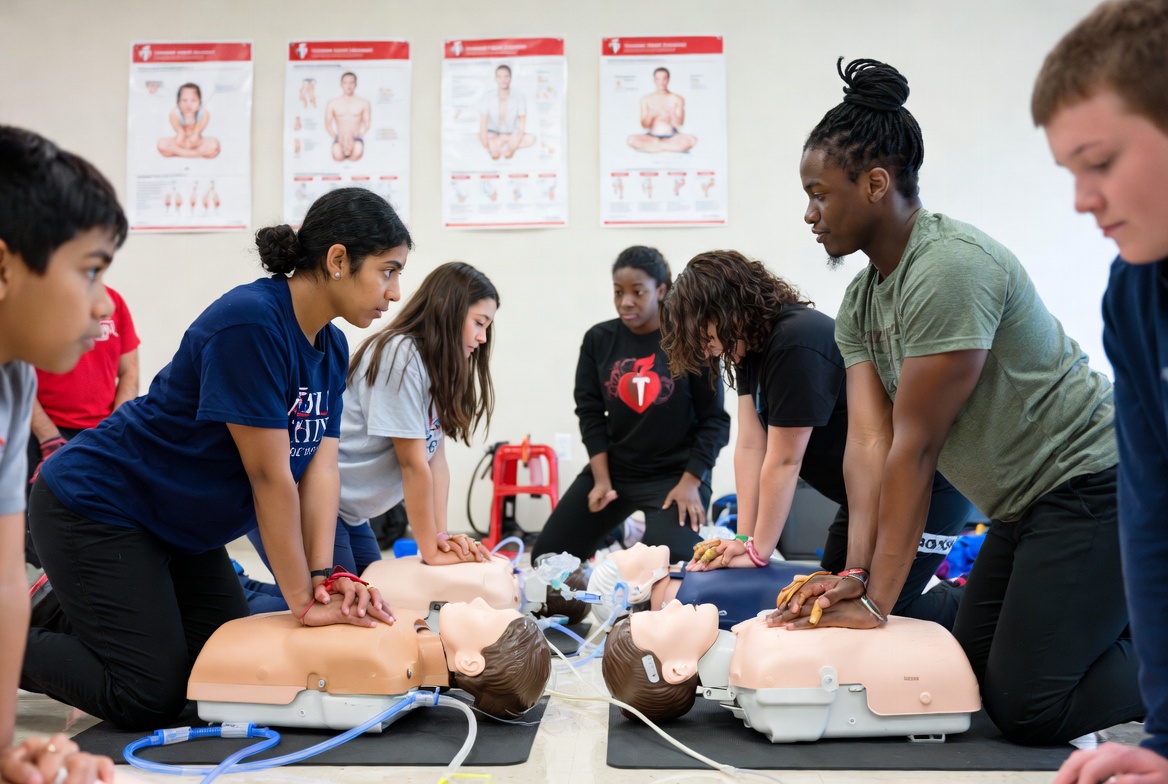
Before you can begin clinical rotations, you will almost certainly need a current Basic Life Support (BLS) for Healthcare Providers certification, typically from the American Heart Association (AHA). This is a non-negotiable for working in any clinical setting.
Your Path to Becoming a Registered Nurse: ADN and BSN Requirements
For those starting their journey to become a Registered Nurse (RN), the two most common entry points are the ADN and BSN degrees.
The ADN Pathway: Requirements for an Associate Degree in Nursing
Overview of the ADN Program
An ADN is a two-year degree, most often offered at community colleges. It is one of the fastest and most affordable routes to becoming an RN, preparing you with the core clinical skills needed for patient care. After graduating and passing the NCLEX-RN exam, you can begin working as a registered nurse.

Common ADN Prerequisites
Before you can apply to the core nursing program, you must complete several prerequisite courses with a satisfactory grade. These typically include:
- Anatomy and Physiology I & II (with labs)
- Microbiology (with lab)
- English Composition
- College-Level Mathematics
- Introduction to Psychology or Sociology

A Look at Arizona Community Colleges
Institutions like the Maricopa Community Colleges system and Pima Community College have excellent ADN programs. However, admission is highly competitive and often uses a point-based system that considers your prerequisite GPA, HESI A2 scores, and other factors. It’s crucial to aim for grades well above the minimum requirement.

The BSN Pathway: Requirements for a Bachelor of Science in Nursing
Why a BSN?
A Bachelor of Science in Nursing (BSN) is a four-year degree that provides a more in-depth education, including topics like research, leadership, and public health. Many major healthcare systems, especially those with Magnet status, prefer or require a BSN for their nursing staff, and it is the standard for most leadership and administrative roles.

Expanded BSN Prerequisites
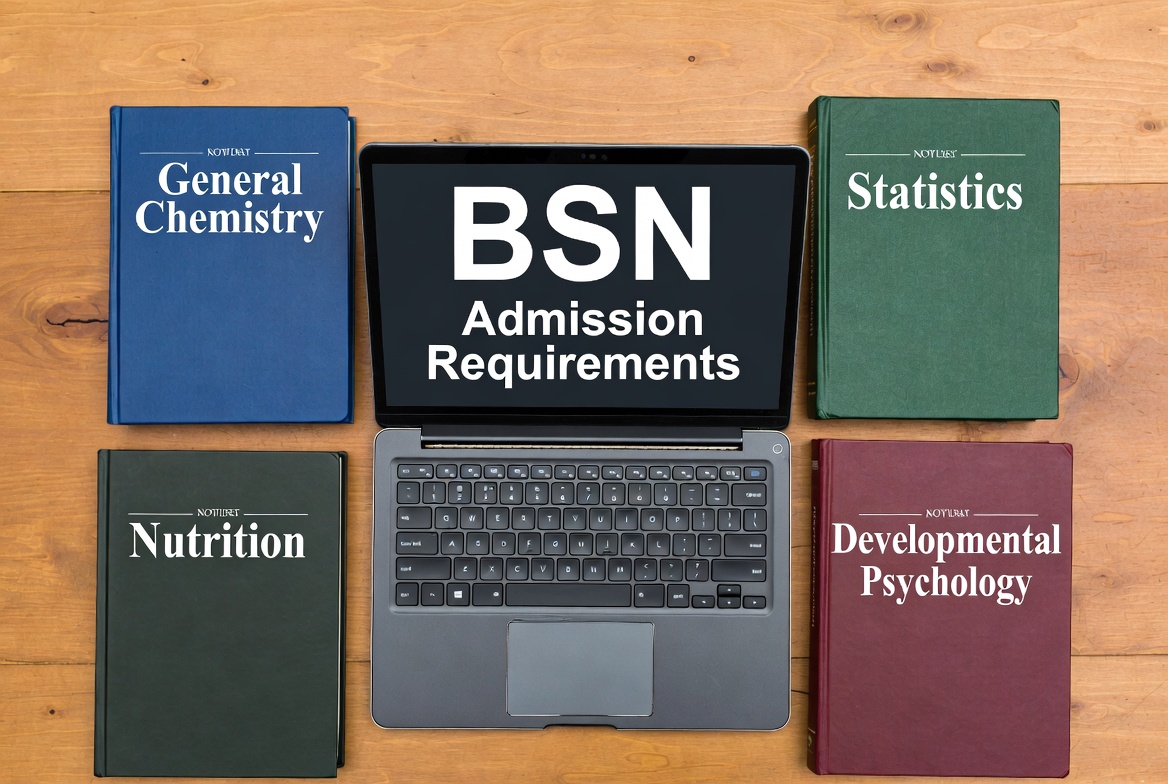
BSN programs require a broader range of prerequisites compared to ADN programs. In addition to the ADN list, you may also need:
- General Chemistry (with lab)
- Statistics
- Nutrition
- Developmental Psychology
Competitive BSN Admission Standards
At major Arizona universities like Arizona State University (ASU), the University of Arizona (U of A), and Northern Arizona University (NAU), meeting the minimum GPA is just the first step. The reality is that these programs receive far more applications than they have spots. A competitive GPA for these BSN programs is often 3.5 or higher, especially in science prerequisites.

Accelerated BSN Programs for Career Changers
Do you already have a bachelor’s degree in another field? An Accelerated BSN (ABSN) program may be perfect for you. These intensive programs typically last 12-18 months and are designed for students who have already completed their general education requirements. Applicants will need to complete the science prerequisites and often must have a strong GPA from their first degree.

Advancing Your Nursing Career: MSN Program Requirements
Taking the Next Step: Master of Science in Nursing (MSN)
Who is an MSN Program For?
A Master of Science in Nursing (MSN) is for nurses who want to become leaders, educators, or Advanced Practice Registered Nurses (APRNs) like Nurse Practitioners or Clinical Nurse Specialists. There are also “direct-entry” or “entry-level” MSN programs for career changers with a non-nursing bachelor’s degree.

Before exploring the core MSN admission requirements, you may also find this guide helpful: Top Affordable Nursing Schools in AZ.
Core MSN Admission Requirements
For RNs seeking an MSN, the typical requirements include:
- A BSN from an accredited institution.
- A current, unencumbered Arizona RN license.
- A minimum undergraduate GPA, usually 3.0 or higher.
- GRE scores (though many programs are waiving this).
Direct-Entry MSN Programs
These unique programs are for students who hold a bachelor’s degree in a field other than nursing. The curriculum is structured to first provide you with the foundational BSN-level skills to become an RN, and then immediately transition you into master’s-level coursework. Requirements are similar to ABSN programs, with a heavy emphasis on a strong undergraduate GPA and prerequisite completion.

Professional Experience and Additional Requirements
Some highly specialized MSN tracks have additional, stringent requirements. For example, a Nurse Anesthesia (CRNA) program will likely require 1-2 years of full-time critical care experience (e.g., in an ICU) before you can even apply. Most MSN programs will also ask for a compelling personal statement and strong letters of recommendation.

Beyond the Basics: Elevating Your Nursing School Application
Meeting the minimum requirements gets your foot in the door, but it doesn’t guarantee you a spot. Here’s how to make your application truly shine.
The Power of a Strong Personal Statement
Your personal statement or application essay is your chance to tell your story. Don’t just say you want to help people. Show it. Connect a personal experience to your desire to become a nurse. Demonstrate that you understand the challenges and realities of the profession and possess the resilience and compassion to succeed.

Gaining Relevant Healthcare Experience
Admissions committees love to see applicants who have already tested the waters of healthcare. Experience as a Certified Nursing Assistant (CNA), medical assistant, EMT, or even volunteering at a hospital or clinic shows commitment and provides you with a realistic perspective on patient care. This experience can be a significant tie-breaker in a competitive applicant pool.

Securing Strong Letters of Recommendation
Choose your recommenders wisely. Ask professors who taught your science prerequisite courses (and in whose classes you earned a high grade) or a supervisor from a healthcare-related job. Give them plenty of notice, provide them with your resume and personal statement, and clearly explain the program you’re applying to so they can write a specific, impactful letter.

Your Journey Starts Now
Navigating Arizona’s nursing school requirements takes careful planning and dedication. From building a strong academic foundation to gaining hands-on experience, every step you take brings you closer to a fulfilling career. Remember to start early, stay organized, and always aim higher than the minimum requirements.

Ready to find the perfect program for you? Explore detailed listings, compare requirements, and find more resources by visiting the schools on Arizona Nursing Resources today!