The Ultimate Checklist for Nursing Clinicals in Arizona
That acceptance letter was a dream come true. Now, the syllabus is in hand, and your first clinical rotation is on the calendar. The mix of excitement and sheer nervousness is a feeling every nursing student in Arizona knows well. You’re about to step out of the classroom and into the fast-paced world of patient care. The key to turning that anxiety into confidence? Preparation.
Being well-prepared is more than just a confidence booster; it’s a critical step toward success. This guide is your ultimate checklist, tailored specifically for the unique environment of nursing clinicals in the Grand Canyon State. From the essential gear to our climate-specific necessities, we’ve got you covered.
I. The Non-Negotiables: Your Clinical Uniform and Identification
Before you can even think about patient assessments, you need to look the part. These are the absolute must-haves for stepping onto the clinical floor.
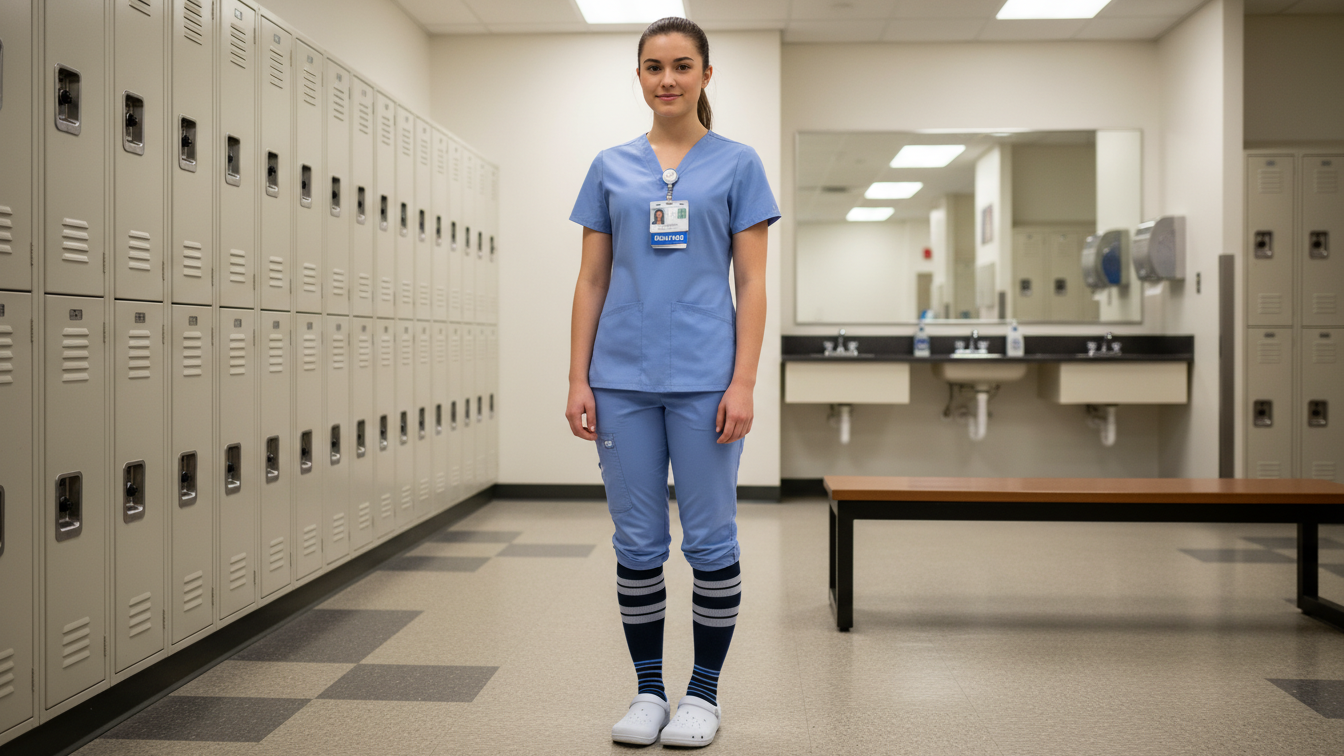
A. Program-Approved Scrubs
Your nursing program has a strict dress code for a reason—it signifies professionalism and identifies you as part of the team. Pay close attention to your school’s requirements for color, style, and any required logos or patches. It’s wise to have at least two or three clean, wrinkle-free sets ready to go. A professional appearance makes a powerful first impression on patients, staff, and your instructor.
B. Comfortable and Compliant Footwear
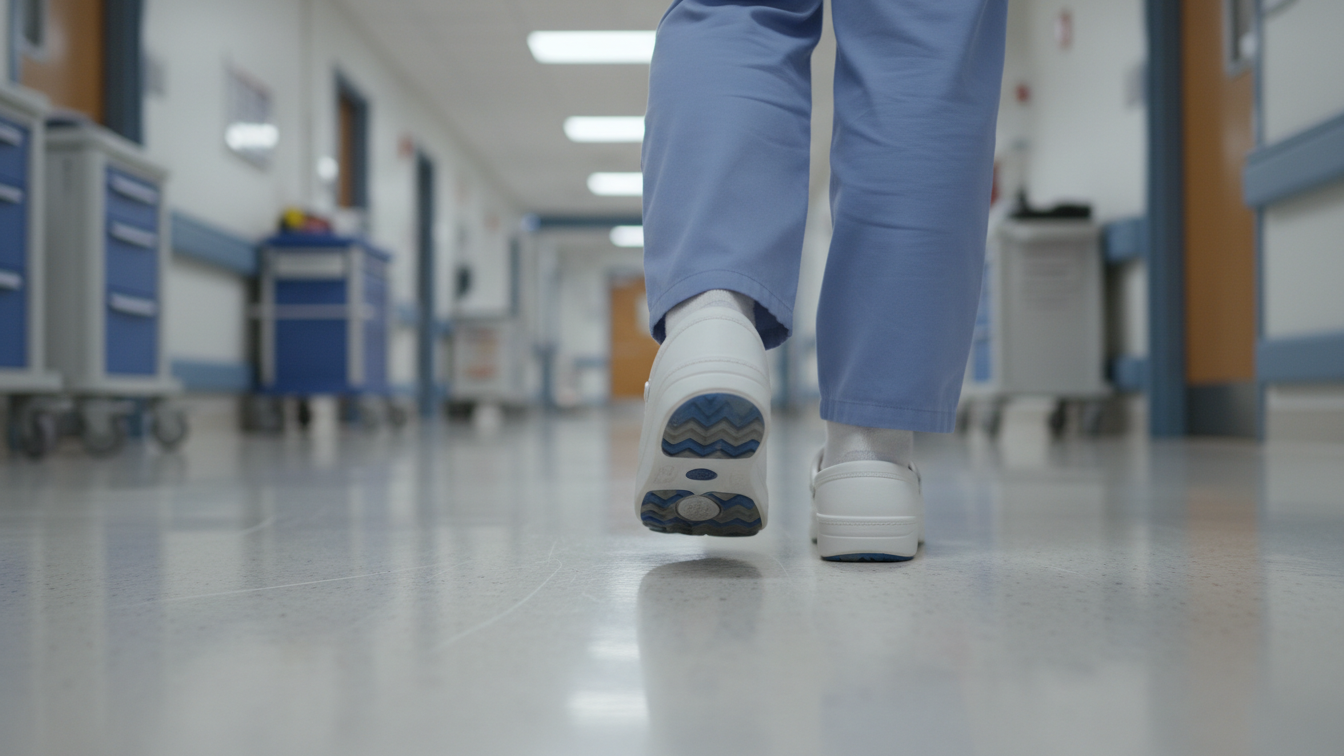
You will be on your feet for 8, 10, or even 12 hours. The right shoes are not a luxury; they are a necessity. Look for non-slip, closed-toe, and fluid-resistant nursing shoes to protect your feet and prevent fatigue. Popular styles include clogs and athletic-style sneakers designed for healthcare professionals. Most importantly, break them in for a week *before* your first shift to avoid painful blisters.
C. School ID and Clinical Badge
This is your passport into the facility and your license to learn. You will not be allowed on the floor without your proper school and facility identification. For convenience and to prevent loss, invest in a retractable badge holder that can clip onto your scrubs. This keeps your ID visible and accessible without getting in the way.
D. Compression Socks
This is a pro-tip that seasoned nurses swear by. Long hours of standing and walking can lead to leg fatigue, swelling, and an increased risk of varicose veins. Compression socks improve blood flow, reduce swelling, and keep your legs feeling more energized throughout your shift. They are a small investment that pays huge dividends in comfort.
II. Essential Tools of the Nursing Trade
Your brain is your most important tool, but these physical items are a close second. Having them in your pocket or clinical bag will make your day infinitely smoother.
A. A High-Quality Stethoscope
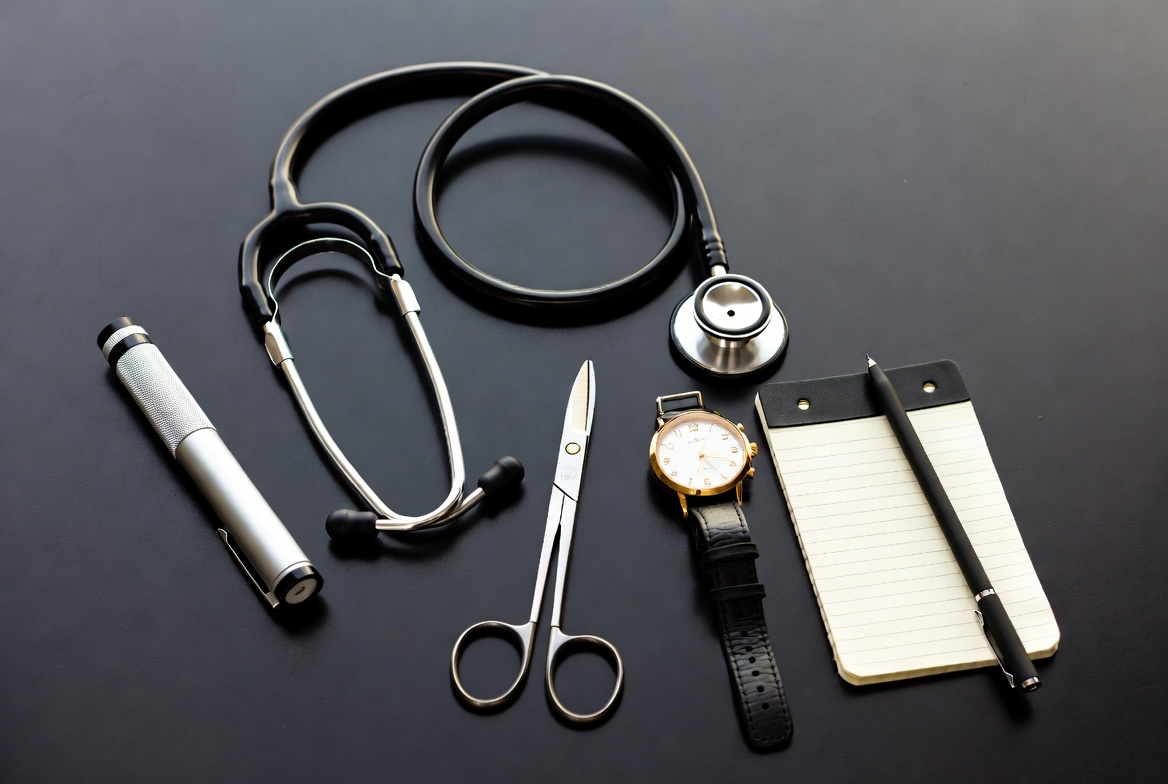
This is arguably the most important piece of equipment you will personally own. A reliable stethoscope is crucial for performing accurate patient assessments, from listening to heart and lung sounds to taking a manual blood pressure. You don’t need the most expensive model, but a quality dual-head stethoscope is a worthy investment in your education.
B. Penlight
A simple but vital tool. A penlight is essential for conducting neurological assessments (like checking pupillary response), assessing wounds in poorly lit areas, and examining the mouth or throat.
C. Nursing Scissors and Hemostats
You will be amazed at how often you need a pair of sturdy scissors (also known as trauma shears) for cutting bandages, tape, and medical packaging. Hemostats (or clamps) are also incredibly useful for tasks like opening stubborn IV line connections.
D. The Classic Duo: Pen and Notepad
Never underestimate the power of a pen and paper. You’ll need to jot down vital signs, patient notes, and questions for your instructor on the fly. Keep a small, pocket-sized notepad and a few black ink pens (the standard for medical charting) on you at all times. A foldable clipboard can also help keep your papers organized.
E. A Watch with a Second Hand
In the age of smartphones, a traditional watch might seem old-fashioned, but it’s essential in a clinical setting. You need a watch with a visible second hand to accurately count heart rates, and respiratory rates, and to time IV medication administration. Most facilities have policies against using personal phones on the floor, making a watch a non-negotiable tool.
III. Staying Organized and Fueled: Packing Your Clinical Bag
Your clinical bag is your mobile base of operations. A well-packed bag helps you stay organized, comfortable, and energized throughout your shift.
A. A Durable and Functional Bag
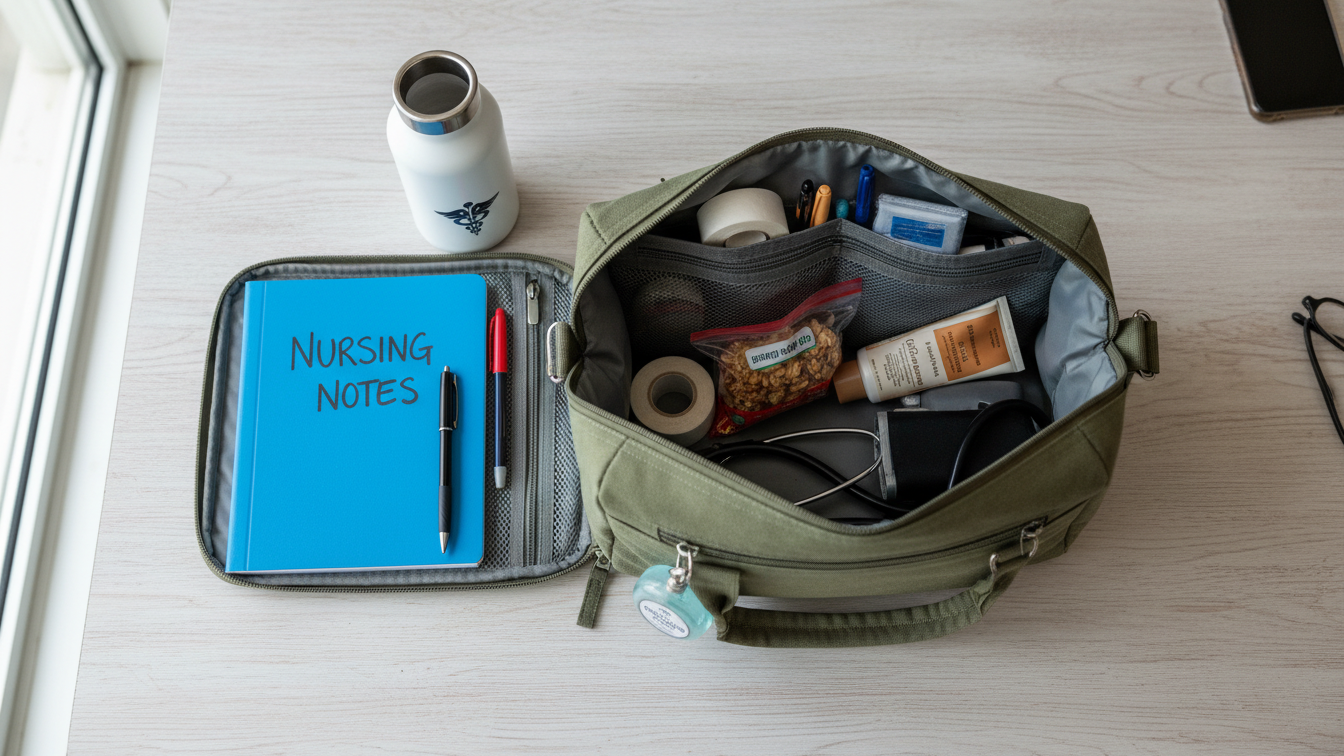
Choose a bag that is easy to clean and has multiple compartments to keep your supplies organized. It should be large enough to hold your essentials without being bulky. Many students prefer a tote or a small backpack.
B. “Brain” Sheets and Pocket Guides
Your “brain” is a pre-printed sheet of paper you use to organize information for your assigned patients. Your school may provide a template, or you can find many online. Also, consider carrying a pocket-sized nursing reference guide with common lab values, medication calculations, and medical abbreviations.

C. Personal Hygiene Essentials
Constant handwashing and sanitizer use, combined with Arizona’s dry air, can wreck your hands. Pack a travel-sized, non-greasy hand lotion. Hand sanitizer for moments when you can’t get to a sink is also a good idea.
D. Healthy Snacks and a Reusable Water Bottle
Breaks can be short and unpredictable. Pack healthy, non-perishable snacks like protein bars, nuts, or fruit to keep your energy levels up. A reusable water bottle is a must to stay hydrated—something we’ll touch on more next.
E. Personal Comfort Items
Don’t forget the small things! Pack essentials like lip balm (a lifesaver in our dry climate), extra hair ties, any necessary personal medications, and a spare pair of socks in case of spills.
Before exploring how to thrive in Arizona-Specific Clinical prep, you may also find this guide helpful: How to Survive Nursing School in Arizona
IV. Thriving in the Grand Canyon State: Arizona-Specific Clinical Prep
Doing your clinicals in Arizona comes with a unique set of challenges and considerations. Being prepared for our environment is key.
A. Master the Art of Hydration
We can’t stress this enough. The dry Arizona heat is relentless, even inside an air-conditioned hospital. You will be moving constantly, and it’s easy to become dehydrated without realizing it. Drink water consistently throughout your shift, not just on your break. Dehydration leads to fatigue and brain fog—two things you can’t afford in patient care.

B. Don’t Forget the Sunscreen
Your commute is part of your clinical day. Whether you’re walking from a distant parking garage in Phoenix or just from your car to the hospital entrance in Tucson, the sun exposure adds up. Apply sunscreen with at least SPF 30 before you leave the house to protect your skin.

C. Be Prepared for Allergies
Arizona’s unique desert flora, from Palo Verde to Ragweed, can trigger allergies you never knew you had. If you are prone to seasonal allergies, be sure to have non-drowsy allergy medication on hand so you can stay focused and comfortable.
D. Plan Your Commute and Parking
Major healthcare facilities in metro areas like Phoenix, Scottsdale, and Tucson can have complex campuses and confusing parking situations. Do a practice run to your clinical site before your first day. Figure out exactly where to park and how long it takes to walk to your unit. Being late due to parking is a stress you don’t need.

Conclusion
Starting your clinical rotations is a monumental step in your journey to becoming a nurse. By thoughtfully preparing and packing your bag with these essentials, you are setting yourself up for a positive, successful, and enriching experience. You are building the foundation of confidence that will carry you through nursing school and into your career.

Welcome to the front lines of healthcare. You’ve got this!